What to know about access restrictions for Beddington wedding flowers
Posted on 05/11/2026
If you are planning a wedding in Beddington, the flowers can be the easy part on paper and the tricky part in real life. The bouquet is chosen, the colours are right, and the brief sounds lovely enough. Then the venue says there is a loading bay time limit, the church has a side entrance only, or the building manager wants all deliveries signed in before 9 a.m. That is where What to know about access restrictions for Beddington wedding flowers really matters.
Access restrictions are not just a delivery headache. They shape what can be delivered, when it can arrive, how much handling is needed, and whether the flowers look fresh when the first guest walks in. In this guide, we will break down the practical side of wedding flower access in plain English, so you can plan calmly, avoid those awkward last-minute scrambles, and keep everything looking beautiful.
Why What to know about access restrictions for Beddington wedding flowers Matters
Wedding flowers are often delivered at the most delicate point of the day. Fresh stems do not like sitting in a van too long, buttonholes need to be in good condition when they are pinned, and larger pieces such as arches or table arrangements need careful moving. If access is awkward, every part of the floral plan becomes a little more complicated.
In Beddington, as in much of London and the surrounding boroughs, venues can vary widely. You might be working with a church, a hotel, a community hall, a private home, or a reception space with strict building rules. Some places offer direct access and helpful staff. Others are a bit more old-school, with narrow paths, shared entrances, controlled parking, or no lift access. To be fair, that is not unusual. It just means the flowers need planning, not guessing.
Why does this matter so much? Because access restrictions affect three things at once:
- Timing - when flowers can arrive, be set up, and collected if needed.
- Condition - how much handling and waiting the arrangements can tolerate.
- Cost and effort - extra labour, waiting time, or repeated trips can change the plan.
A couple once tells the florist they had "plenty of time" for delivery, only to find the venue would not allow access until the registrar had cleared the room. The flowers were fine in the end, but only because the timing had been checked early. That is the difference between a calm wedding morning and a slightly frantic one.
Expert summary: the more detailed the access plan, the smoother the floral setup. It is not about being fussy. It is about protecting the flowers, the schedule, and your nerves.
How What to know about access restrictions for Beddington wedding flowers Works
Access restrictions usually come into play before the wedding flowers are delivered, and then again at setup. The florist needs to know where the vehicle can park, how close they can get to the venue entrance, whether there are stairs, whether the building has loading rules, and who will be there to receive the flowers.
In practice, the process is usually quite simple once the right questions are asked. The florist confirms the venue details, checks any restrictions, and then adjusts the delivery plan. Sometimes that means a smaller vehicle. Sometimes it means an earlier drop-off. Sometimes it means keeping certain items boxed until the very last moment.
The key is to think of access as part of the floral brief, not an afterthought. A good wedding flower plan in Beddington will usually cover:
- Where the flowers are going.
- What time they can be delivered.
- Who can sign for them or receive them.
- Whether the flowers need to be installed immediately or held securely first.
- Whether any part of the order needs special handling, such as table arrangements, bridal bouquets, or larger ceremony pieces.
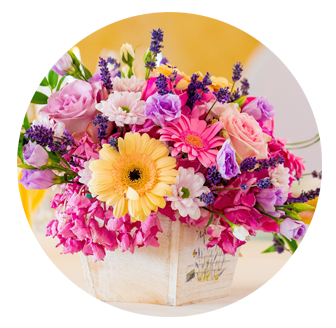
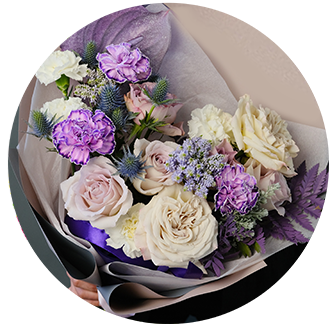
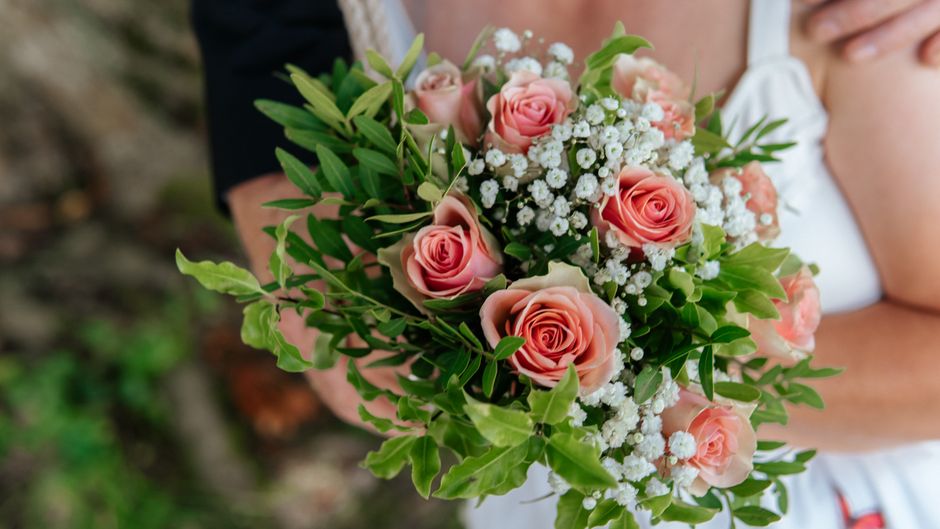
For couples ordering from a local specialist, browsing the wedding flowers in Beddington range can help you match the floral design to what your venue can realistically support. If your day includes bouquets, buttonholes, and table styling, the venue layout matters just as much as the colour palette.
One small but important detail: access restrictions are not always written down neatly. Sometimes they are mentioned by a venue coordinator in a quick email, sometimes buried in a supplier pack, and sometimes only discovered when someone tries to reverse into a narrow service entrance with a van full of hydrangeas. Lovely. So glamorous.
Key Benefits and Practical Advantages
Good access planning gives you more than convenience. It gives you control. And on a wedding day, control is worth its weight in ribbon.
- Better freshness - flowers spend less time waiting around in heat, cold, or transit.
- Less risk of damage - awkward carrying routes often lead to bent stems, crushed petals, or bumped arrangements.
- Smoother setup - florists can work in the right order and within venue rules.
- Fewer delays - a clear delivery route reduces confusion at the busiest part of the day.
- More accurate planning - the florist can recommend suitable designs for the space and access conditions.
There is also a subtle emotional benefit. When you know the delivery has been thought through properly, you stop worrying about the flowers and can focus on the rest of the day. That calm feeling matters more than people admit, especially in the hour before the ceremony when everybody is half-dressed, somebody has misplaced a cufflink, and the room smells faintly of perfume and nerves.
If your wedding includes several floral elements, access planning becomes even more valuable. For example, a bridal bouquet may travel easily, but a reception setup with centrepieces, a top table arrangement, and buttonholes needs coordinated arrival and placement. In that kind of setup, a florist with strong local delivery awareness can save a lot of time. It just does.
Some couples also choose to pair wedding flowers with other occasion orders, especially if they are ordering from a trusted local florist for different needs over time. That is where simple, reliable service becomes important. It may sound basic, but on a wedding weekend basic reliability is a gift in itself.
Who This Is For and When It Makes Sense
This topic is for anyone arranging flowers for a wedding in Beddington or nearby areas where delivery access may be restricted. But it is especially relevant if one or more of the following apply.
- Your venue has limited parking or no nearby loading space.
- The ceremony or reception room is upstairs, basement-level, or otherwise awkward to reach.
- Deliveries must be made within a short time window.
- The venue needs supplier sign-in, security checks, or advance booking.
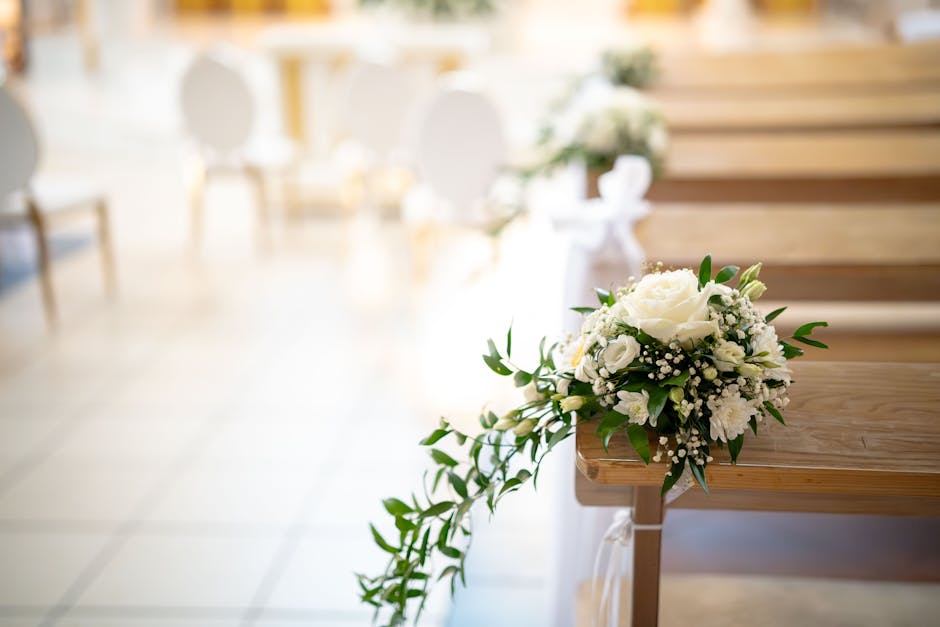
- You are having larger arrangements such as wedding table arrangements or statement ceremony flowers.
- You are using a church, historic building, private club, or shared event space with rules around access.
It also makes sense if you are the person coordinating the day. Maybe you are the couple, maybe it is a wedding planner, maybe it is the maid of honour with a clipboard and a cup of tea going cold on the side. Whoever it is, access restrictions are easiest to manage when one person owns the logistics.
If you are ordering other floral items at the same time, the same delivery logic applies. A local flower delivery service can help with the broader plan, but wedding flowers are more time-sensitive than a standard gift bouquet. If you are comparing options, it can be useful to look at flower delivery in Beddington as a general service and then treat the wedding order as a more tailored delivery. Different job, different pressure, same postcode.
You may also want to consider whether the venue layout is suitable for specific flower types. Larger installations, trailing designs, or fragile blooms may need more direct access than compact bouquets or simpler arrangements. That is not a problem, exactly. It is just a planning detail that needs respect.
Step-by-Step Guidance
If you want to avoid access problems, the best approach is to work through the logistics early and in order. Here is a practical way to do it.
1. Ask the venue about access first
Before the flowers are finalised, ask about delivery access, parking, loading bays, entrance points, lift availability, and any time restrictions. Do not assume the easiest route is allowed. Venues often have rules for a reason, especially in central London-style settings or older buildings.
2. Share the venue information with the florist
Give your florist the exact address, the best contact person, any entrance instructions, and any paperwork or time windows. If the venue has a side gate, an intercom, or a reception desk, say so plainly. Small details save a surprising amount of confusion.
3. Match the floral plan to the access conditions
A flower crown and a bridal bouquet are easy to move. A long reception garland, multiple vases, or ceremony pieces are not. If access is tight, your florist may suggest modular arrangements, fewer large items, or staged delivery. That is not a downgrade. It is smart design.
4. Confirm the delivery timing against the venue schedule
Wedding flowers should arrive at a time that works with the venue, not against it. If the room is not ready, flowers may have to wait. If the setup window is short, the florist needs to know in advance. This is where a slightly earlier delivery window can be a lifesaver.
5. Plan who receives the flowers
Choose someone responsible who will actually be on site. That could be the venue coordinator, planner, or a trusted family member. If nobody is expecting the delivery, even a perfectly timed order can wobble a bit.
6. Keep a backup contact handy
Phone signal, event noise, and busy mornings are not a great combination. One backup number can prevent delays if the main contact is briefly unavailable.
7. Check the setup route inside the venue
It is not just the front door that matters. Ask whether there are stairs, narrow corridors, one-way routes, or any room restrictions. A venue may be easy to reach and awkward to work in. Happens all the time.
8. Build a little buffer time into the schedule
Not a huge buffer. Just enough. A ten-minute delay can be irritating; a ten-minute delay with no contingency becomes a problem. A sensible margin gives everyone room to breathe.
Expert Tips for Better Results
Here is the practical stuff that tends to make the difference between "fine" and "really well handled".
- Ask for a venue map if one exists. A simple sketch can reveal far more than a verbal description.
- Use the exact delivery name. If the booking is under a family name or event company, make sure the florist has the same wording as the venue.
- Prioritise the most fragile items. Delicate blooms, tall arrangements, and anything with foam or water vessels need special care.
- Keep the design practical for the space. A very large piece may look stunning in a photo, but it still has to fit through the door. Funny how that works.
- Confirm where flowers will be stored if they arrive early. Cool, shaded, secure storage is ideal.
- Use local knowledge where possible. Someone who regularly delivers in and around Beddington will often know which venues are straightforward and which ones need extra time.
One useful habit is to think about flowers the way a venue manager does: entry, handling, placement, and removal. That mindset helps you anticipate issues before they become awkward. It is a little less romantic, maybe, but far more useful.
For example, if you are ordering specific wedding items such as bridal bouquets, bridesmaid bouquets, buttonholes, and table arrangements, it can help to build the order around the delivery sequence. Smaller personal flowers first, then ceremony pieces, then reception flowers. That order is not always fixed, but it usually keeps the day calmer.
And if you are still deciding on floral style, checking curated collections like wedding collections can help you narrow down designs that are easier to deliver within venue restrictions. Simpler can be smarter. Especially when stairs are involved.
Common Mistakes to Avoid
Most access problems are preventable. The same few mistakes crop up again and again, and they are all easy to miss when you are juggling a hundred other wedding details.
- Leaving access questions until the week of the wedding. By then, solutions are narrower and stress is higher.
- Assuming all deliveries can use the main entrance. Many venues have separate supplier access rules.
- Forgetting about parking and unloading. A venue may be easy to find but hard to stop near.
- Not naming a clear point of contact. This creates delays when the driver arrives.
- Choosing arrangements that are too large for the access route. Beautiful design should still be practical.
- Ignoring weather and timing. Heat, rain, and traffic can all affect flower quality and delivery flow.
A surprisingly common issue is the "someone will be there" assumption. It sounds fine at the planning stage. On the day, though, everybody is getting ready, the venue is busy, and nobody quite knows who has the keys. That is the sort of thing that can be solved in advance with one decent handover plan.
Another mistake is treating access restrictions as a florist-only issue. They are not. The venue, the couple, the planner, and the florist all need the same information. The more joined-up the communication, the less likely something is to go sideways.
Tools, Resources and Recommendations
You do not need a complicated system to manage wedding flower access. A short, well-organised set of notes often works better than a packed spreadsheet nobody looks at again.
- Venue access checklist - a simple note covering delivery point, timings, parking, and contact details.
- Wedding day timeline - useful for checking when flowers can be received and placed.
- Contact sheet - include the florist, venue, planner, couple, and one backup contact.
- Order summary - list bouquets, buttonholes, table pieces, and any large installations.
- Photo reference - if the florist is matching a style or colour palette, images help avoid miscommunication.
For practical reassurance, a florist's wider service pages can also be helpful when you are weighing up delivery reliability, aftercare, or ordering options. If you are planning flowers beyond the wedding itself, pages like flower care advice can be useful for keeping arrangements looking good once they are in the venue. A fresh bouquet in a warm room needs a bit of attention, as you probably already know.
It can also help to check policies that explain how the business handles delivery, returns, payment, or guarantees, especially if you are ordering bespoke wedding items. Those pages do not replace proper venue planning, but they do give you a clearer sense of how the florist works. That trust matters.
If you are unsure whether the access route is manageable, ask for a realistic view rather than an optimistic one. A good florist would rather give you a straightforward answer than promise the impossible. That honesty is usually worth far more than a polished sales line.
Law, Compliance, Standards, or Best Practice
For wedding flower delivery in Beddington, the main compliance concerns are usually practical rather than heavily regulated. Still, there are some sensible standards and expectations to keep in mind.
Venue rules are the biggest one. Private venues, churches, hotels, and event spaces can all set their own requirements for access, loading, noise, sign-in, and setup times. These are not optional in practice. If the venue says suppliers must use a certain entrance or arrive at a specific time, that needs to be followed.
Health and safety best practice also matters. Florists should be able to move arrangements without blocking exits, causing trip hazards, or working in unsafe conditions. If a design is heavy or awkward, safe handling should come first. Nobody wants a wobbly vase near a busy aisle.
Consumer terms are worth checking too. If you are placing a bespoke wedding order, the terms and conditions, delivery information, and refund policy should be clear enough to understand before you pay. That is especially important when flowers are time-sensitive and made for a specific date.
In the UK, fair, accurate communication is the baseline. That means no pretending access is easy when it is not, and no promising a delivery window that the venue cannot support. Truth be told, that level of clarity is a sign of a professional florist, not an awkward one.
If you need to understand how a florist handles service expectations more broadly, pages such as delivery information, terms and conditions, and guarantees can be helpful reference points. Read them in a calm moment, not five minutes before the registrar asks where the bouquets are.
Options, Methods, or Comparison Table
Different access situations call for different delivery methods. Here is a practical comparison.
| Access situation | Best approach | Why it works | Main risk if ignored |
|---|---|---|---|
| Easy vehicle access, ground floor venue | Standard timed delivery | Simple handover and quick placement | Usually minimal, but timing still matters |
| Limited parking or loading bay restrictions | Pre-arranged drop-off window and clear contact | Reduces waiting and confusion | Driver delays and rushed setup |
| Narrow stairs or no lift | Smaller loads, secure packaging, staged carry-in | Protects delicate arrangements | Damage to flowers or staff strain |
| Venue won't allow early access | Hold flowers in transit as briefly as possible or use a short waiting plan | Helps maintain freshness and accuracy | Flowers waiting too long in poor conditions |
| Larger wedding setup with multiple floral pieces | Detailed installation schedule | Keeps ceremony and reception flow organised | Overlap with other suppliers, lost time |
For most couples, the winning method is not the fanciest one. It is the one that suits the venue and the flowers. Simple. Practical. Effective. And yes, a bit boring on paper, which is usually exactly what you want in logistics.
Case Study or Real-World Example
Here is a realistic example based on the kind of situation many Beddington weddings face.
A couple planned their ceremony in a venue with a lovely front entrance but limited unloading space. The florist could not stop directly outside for long, and the setup window was tight because another event was ending earlier in the day. Rather than leaving everything to chance, the florist and couple agreed on a staged delivery: personal flowers first, larger ceremony arrangements second, and reception pieces last.
The venue coordinator confirmed a side access point and a twenty-minute loading window. The florist received the contact number the week before, and the couple's planner kept the schedule pinned to a shared message thread. Nothing dramatic. No heroic effort. Just good planning.
On the day, the flowers arrived cleanly, the bouquets were handed over without stress, and the table arrangements were placed before guests entered the room. The only slightly messy bit was one buttonhole wrapper that floated off in the breeze near the car park, but that hardly counts as a crisis.
The real lesson is that access restrictions are not inherently a problem. They are simply a condition to plan around. Once the route, timing, and contact points are clear, the whole thing becomes much easier. Sometimes the answer really is just "ask earlier".
Practical Checklist
Use this checklist when planning Beddington wedding flower delivery with access restrictions in mind.
- Confirm the exact venue name and full address.
- Ask about delivery entrances, parking, and loading access.
- Check for stairs, lifts, and narrow internal routes.
- Agree the delivery time window with the venue.
- Share the florist's contact details with the venue.
- Share the venue contact details with the florist.
- Identify one responsible person to receive the flowers.
- Confirm whether the flowers need to be placed immediately or stored briefly.
- Review the order for fragile, oversized, or high-priority items.
- Keep a backup phone number handy on the day.
- Recheck timings 24 to 48 hours before the wedding.
- Leave a small buffer for traffic, access delays, or venue handover.
Quick tip: if you can answer who, where, when, and how the flowers are being received, you are already ahead of the game.
Get a free quote today and see how much you can save.
Conclusion
Access restrictions for wedding flowers in Beddington are not the glamorous part of planning, but they are one of the most important. They affect timing, presentation, freshness, and the confidence you feel on the morning itself. When access is handled well, the flowers simply appear where they should, looking beautiful and ready for the day.
If you are choosing a florist, ask practical questions early, share the venue details clearly, and match the floral design to the space you actually have. That combination usually works best. It keeps the day calmer, protects the flowers, and reduces those last-minute "where is the side entrance?" moments that nobody wants.
And really, that is the goal: beautiful flowers, delivered without fuss, in a way that lets you enjoy the moment. A well-planned wedding always feels a little lighter because of it.

Frequently Asked Questions
What are access restrictions for wedding flowers?
Access restrictions are any venue rules or physical limits that affect how wedding flowers can be delivered, carried, signed for, or installed. This can include parking limits, loading windows, stair access, or security check-ins.
Why do access restrictions matter so much for wedding flowers?
They matter because flowers are time-sensitive and often fragile. Poor access can delay delivery, damage arrangements, or make setup stressful. Good planning helps keep everything fresh and on schedule.
Should I tell my florist about access issues before I confirm the order?
Yes, as early as possible. The florist can only plan the right delivery method if they know about parking limits, narrow entrances, or restricted delivery times in advance.
What details should I give my florist about the venue?
Give the full address, delivery time window, contact name, entrance instructions, parking rules, and whether there are stairs, lifts, or loading bays. The more exact you are, the better.
Can wedding flowers be delivered if the venue has no parking nearby?
Usually, yes, but the delivery plan may need adjusting. The florist may use a smaller vehicle, a shorter unloading stop, or a timed handover with someone on site.
What happens if the venue is not ready when the flowers arrive?
That depends on the setup plan. Sometimes flowers can wait briefly in a safe area, but prolonged waiting is not ideal. This is why the venue timeline and delivery window should be checked carefully.
Are access restrictions more of a problem for large floral arrangements?
Yes, they often are. Larger arrangements, arches, and multiple table pieces need more handling and space. Smaller items such as bouquets are easier to manage, but they still need the right timing.
Do I need to pay extra if access is difficult?
Sometimes, depending on the delivery complexity and the florist's policy. Extra labour, waiting time, or repeated trips may affect pricing, so it is sensible to ask early rather than assume.
How far in advance should I check access for a wedding venue in Beddington?
The sooner the better. Ideally, you should check access when you first book the venue or start discussing flowers. Leaving it until the final week can make everything tighter and less flexible.
What is the best way to avoid delivery problems on the day?
Use one clear contact person, confirm the route in advance, keep backup phone numbers ready, and give the florist the same venue details the venue has. That simple alignment prevents a lot of hassle.
Can I use the same florist for wedding flowers and other occasions too?
Yes, and many people do. If you already trust a local florist for birthdays or delivery orders, that relationship can make wedding planning easier. Just remember wedding flowers usually need more precise timing and access planning.
What should I do if I am still unsure whether the venue access will work?
Ask the florist for a practical view and share the venue's exact access notes. If needed, request a simpler arrangement style or a revised delivery plan. It is far better to clarify early than to improvise on the day.